Burundi Closes Border with DR Congo as Violence Around Uvira Escalates
Bujumbura / Uvira, December 2025 —
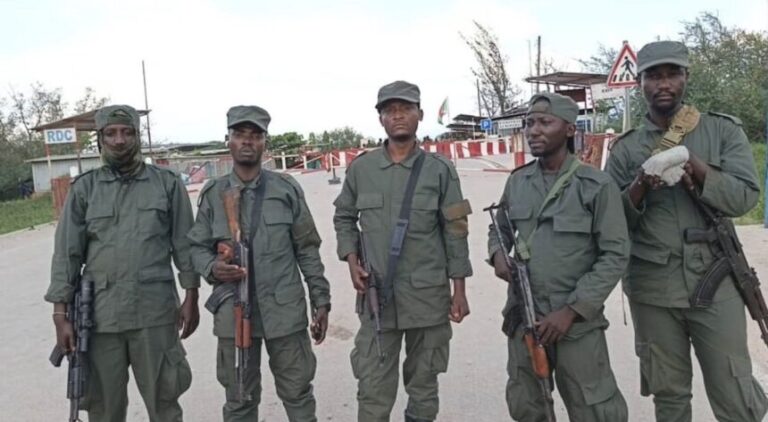
Burundi has closed its border with the Democratic Republic of Congo (DRC) in response to intensifying conflict around the strategic Congolese city of Uvira, which lies on the shores of Lake Tanganyika near the Burundi frontier. The closure comes amid a sharp escalation in fighting involving the M23 rebel group, government forces and allied militias, raising fears of further regional instability and mounting humanitarian pressures.
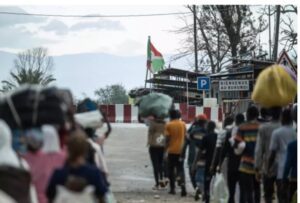
The border shutdown — confirmed by Burundian authorities — aims to prevent uncontrolled crossings by both civilians and armed fighters fleeing the intense clashes in South Kivu province. While official Burundian government statements have focused on security concerns, observers see the move as a direct response to rising violence and rising numbers of refugees seeking safety in Burundi.
Why the Border Was Closed
Neighbors of eastern Congo, including Burundi, have been on high alert as the M23/AFC rebel alliance pushes deeper into South Kivu. After heavy offensives in recent weeks, M23 forces reportedly captured Uvira — a key regional hub and gateway to the southern reaches of the province.
The city’s fall, which followed the earlier capture of Bukavu and other strategic towns, has triggered mass displacement and sharp security concerns among bordering states. United Nations humanitarian estimates suggest that hundreds of thousands of civilians have already been displaced by violence in the province, many moving toward Burundi for refuge.
In reaction, Burundi’s government announced it would shut the border crossing points with the DRC, halting civilian traffic and restricting movement in and out of the country. While the precise wording of the official announcement has not been widely circulated, Burundian leaders have made clear that the closure is intended to stem the flow of unmonitored fighters and protect national security.
Humanitarian Impact and Regional Concerns
The closure has immediate consequences for both sides of the border:
Civilians fleeing violence now face longer, more perilous routes to safety, with some forced to seek shelter far from administrative transit centers.
Trade and commerce between eastern DR Congo and Burundi — already strained by insecurity — has sharply declined as formal crossings shut down.
Bujumbura, Burundi’s economic capital, has seen large crowds arriving in recent days, overwhelming local capacity for emergency support.
Humanitarian agencies have warned that crowded conditions and limited resources risk worsening the plight of refugees, including heightened exposure to disease and food insecurity.
Political and Security Ramifications
The border closure also reflects broader diplomatic and military tensions:
International actors have denounced continued ceasefire violations despite recent U.S.-mediated peace efforts aimed at ending years of conflict in eastern Congo.
Burundi has previously deployed military forces in eastern Congo in support of government allied militias, and rising clashes near Uvira have brought cross-border defense cooperation into sharper focus.
Regional leaders have expressed concern that the conflict could spiral beyond Congo’s borders, drawing neighboring countries into deeper security dilemmas.
What Comes Next
For now, the border remains closed, and humanitarian pressure continues to spike as civilians seek refuge from heavy fighting in South Kivu. Analysts say the situation highlights both the difficulties of enforcing peace agreements and the fragile state of cross-border relations in a region long torn by war and geopolitical rivalry.
As events unfold, Burundi’s government will face balancing security imperatives with the humanitarian needs of displaced populations caught in the crossfire just across its frontier.
🚀 First to Know – Join Our WhatsApp!