
⭐ Uvira’s Fall: How M23 Seized a Strategic City — and Sparked a Turning Point of Hope for a Forgotten Region
A Combined Analysis of Uvira’s Fall and the Optimism Emerging Among Its Residents
🗺️ Where Uvira Stands — A Quick Geographic Snapshot
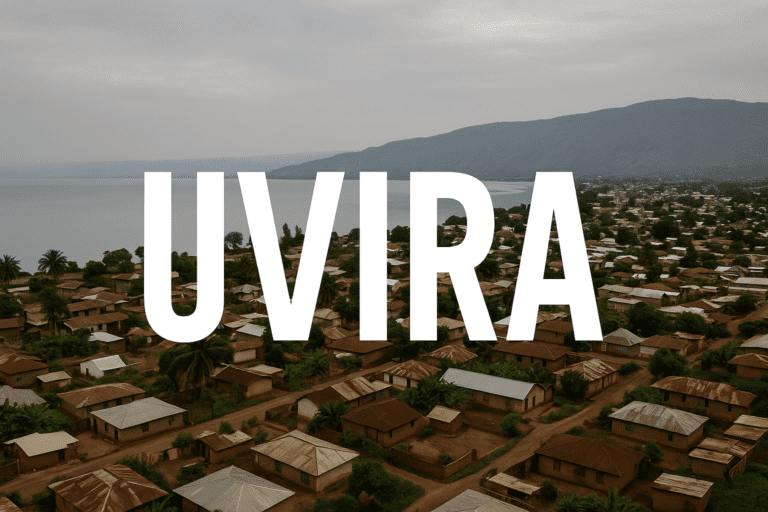
Uvira is a strategic lakeside city in South Kivu, located along:
Lake Tanganyika
The Burundi border
The vital RN5 commercial corridor
If you picture a map:
North: Bukavu
South: Bujumbura (Burundi’s capital is only ±20 km away)
East: Lake Tanganyika
West: Mountain ranges long contested by armed groups
This position has made Uvira both valuable and vulnerable for decades.
⏳ Timeline of Uvira’s Shift — From Tension to Transformation
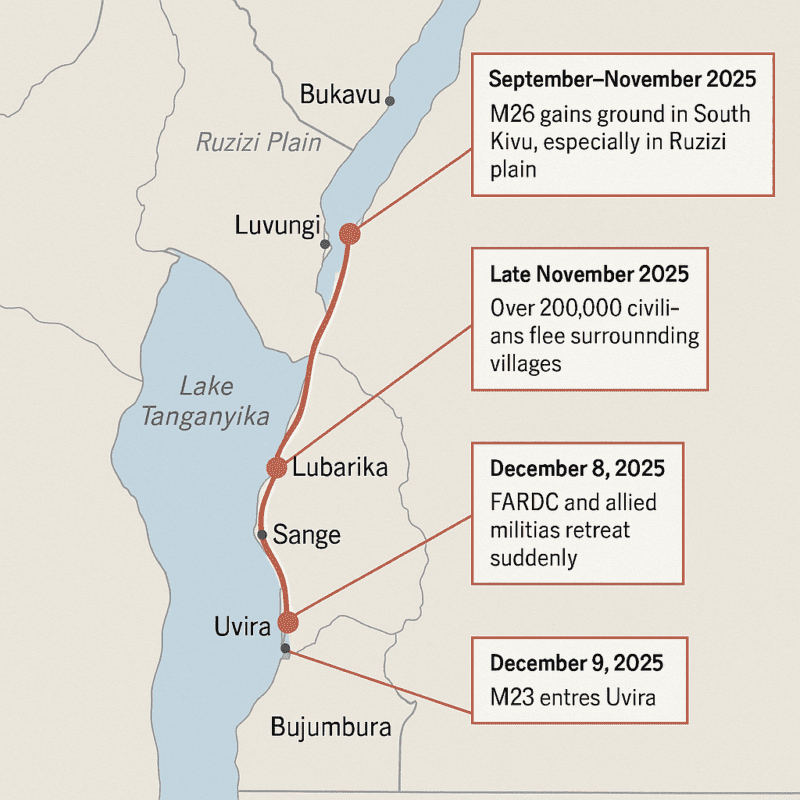
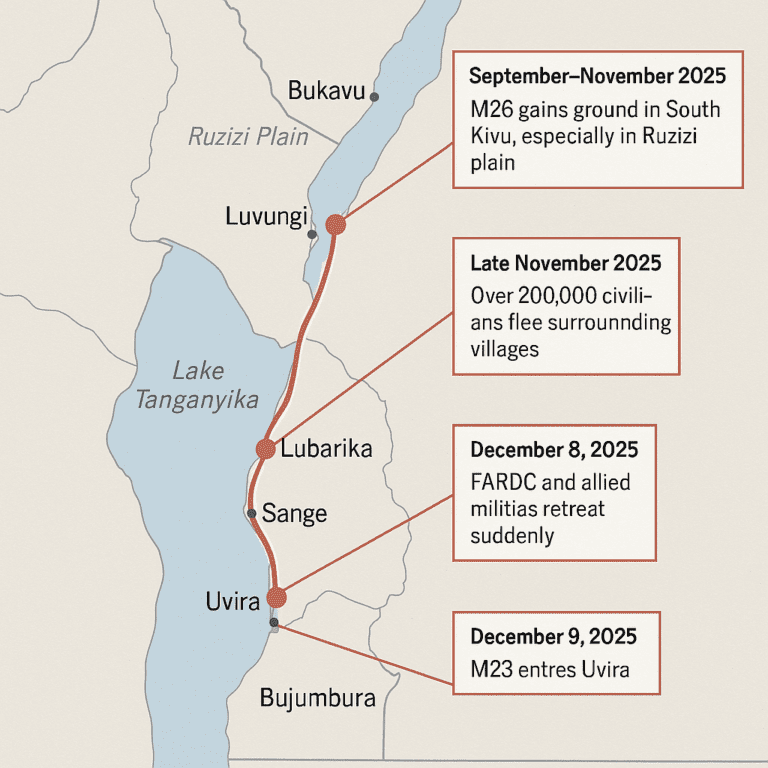
September–November 2025 — The Approach
M23 gains ground in South Kivu, especially in the Ruzizi plain.
FARDC (the Congolese army) begins relocating heavy weapons away from the frontline.
Local trade collapses as insecurity rises in rural districts.
Late November 2025 — Panic and Expectation
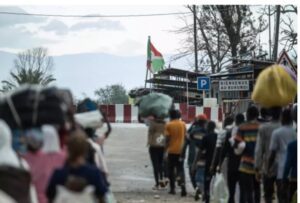
Over 200,000 civilians flee clashes around surrounding villages.
Multiple local leaders warn Kinshasa that Uvira is “exposed and unprotected.”
December 8, 2025 — The Final Advance
FARDC and allied militias retreat suddenly from key positions.
Residents wake up to rumors that “the city could fall any moment.”
December 9, 2025 — The Takeover
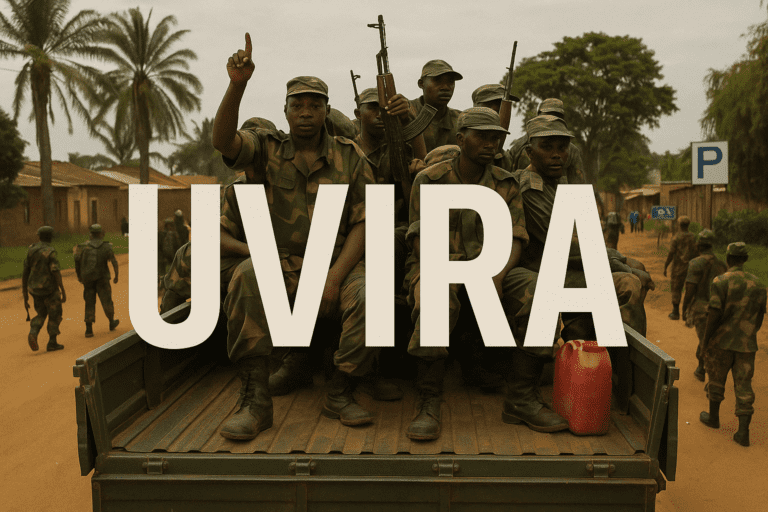
M23 enters Uvira without major urban combat.
Markets stay closed, but many residents observe cautiously from windows and rooftops.
December 10–15, 2025 — The Aftermath
Local testimonies begin emerging:
some fear new authority,
others express unexpected optimism about the possibility of change.
🔥 How Uvira Fell — And Why It Happened So Fast
Analysts point to three critical factors:
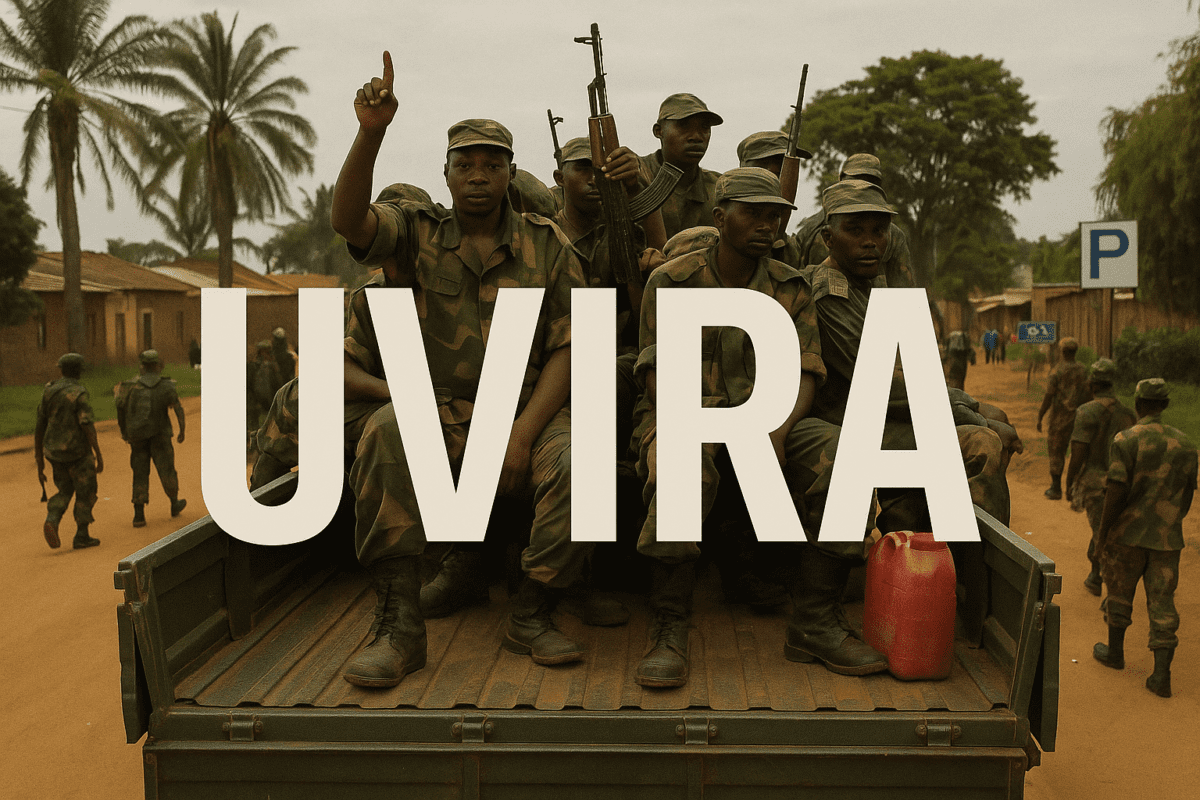
1. FARDC’s Prior Losses Had Stretched Defenses Thin
Bukavu’s collapse in mid-2025 drained morale and resources.
A soldier interviewed anonymously reportedly said:
“After Bukavu, everyone knew Uvira would be impossible to defend.”
2. M23 Launched a Strategic Southern Push
Their advance followed a predictable but effective route:
Ruzizi Plain
Luvungi
Lubarika
Sange
Uvira
Each capture tightened pressure on government forces and cut reinforcement lines.
3. Civilians Were Tired of the Status Quo
This is not support for M23, but general disappointment in failing local governance.
A business owner on RN5 said:
“We lived with 15 years of roadblocks, taxes, harassment. People just want consistency.”
🌈 Why Some Residents Believe This Shift Could Bring Positive Change
While many remain fearful, others see a rare opening for improvement — not because of who took power, but because any major change feels better than decades of neglect.
Here are the five most common themes in testimonies collected from local radio and humanitarian organizations:
🌱 1. Hope for Improved Security
Communities exhausted by:
armed groups
local militias
abusive soldiers
…now hope for clearer and more predictable order.
A farmer from Luvungi said:
“If someone — anyone — finally brings peace to the roads, it will change our lives.”
🛣️ 2. Desire for Better Trade Conditions
Uvira’s economy depends on:
lake transport
cross-border commerce
agricultural flows
Chaos at checkpoints hurt everyone.
A fisherman on Lake Tanganyika explained:
“When there is order on the lake, we live. When there is chaos, we starve.”
Residents hope that simplified control could revive commerce.
🤝 3. A Chance to Rebuild Trust Among Communities
Ethnic tensions in Uvira have been deep and long-standing.
With a new chapter starting, some believe there may be an opportunity to:
negotiate local coexistence agreements
reduce militia retaliation
rebuild inter-community dialogue
One youth leader stated:
“We have to use this moment to fix what divided us. If we don’t, nothing will ever change.”
🏛️ 4. Expectation of Stronger Local Administration
Many Congolese say Kinshasa has historically ignored South Kivu.
The arrival of new authority creates pressure and visibility.
A widow in the Kakombe district put it simply:
“If the world finally looks at Uvira, maybe our suffering will matter.”
💡 5. A Break From the Cycle of Corruption
Years of predatory governance eroded trust.
People now hope that a reset — however it comes — could clean out networks that:
extorted traders
stole public funds
controlled access to resources
Change, even forced change, is sometimes perceived as an opportunity for accountability.
📊 Key Numbers That Show the Scale of the Shift
| Statistic | Value |
|---|---|
| Population of Uvira (metro area) | ~850,000 |
| People displaced in the offensive | 200,000+ |
| Distance from Bukavu | ~120 km |
| Official border crossings | 3 major posts |
| Percentage of trade dependent on Lake Tanganyika | ≈40% |
These numbers highlight why Uvira matters — any transformation here affects the whole province.
🧭 A Region in Flux — And a Future Still Uncertain
The optimism among some Uvira residents is rooted in one truth:
They have been abandoned for too long — and now they hope someone might finally bring change.
They are not celebrating war.
They are not celebrating rebels.
They are celebrating the possibility that after decades of stagnation:
roads might be safer,
markets might stabilize,
militias might be controlled,
and governance might improve.
Whether this hope will be fulfilled is a question only time can answer.
🌟 Conclusion: Uvira’s New Chapter Has Begun — But Its Story Is Still Being Written
Uvira’s fall was sudden, dramatic, and historic.
But the most remarkable part of the story is not the military event — it is how residents themselves interpret the moment.
Many are afraid.
But many others, perhaps quietly, dare to believe:
“Maybe this is the chance our children have been waiting for.”
Uvira now stands at a rare crossroads:
a moment where danger and possibility coexist —
and where the choices made today could determine the region’s destiny for generations.
🚀 First to Know – Join Our WhatsApp!